You’ve already seen the work
Ted S2
Peacock

Dear England
BBC One
Mutiny
Feature film
Strife S2
Soundfirm
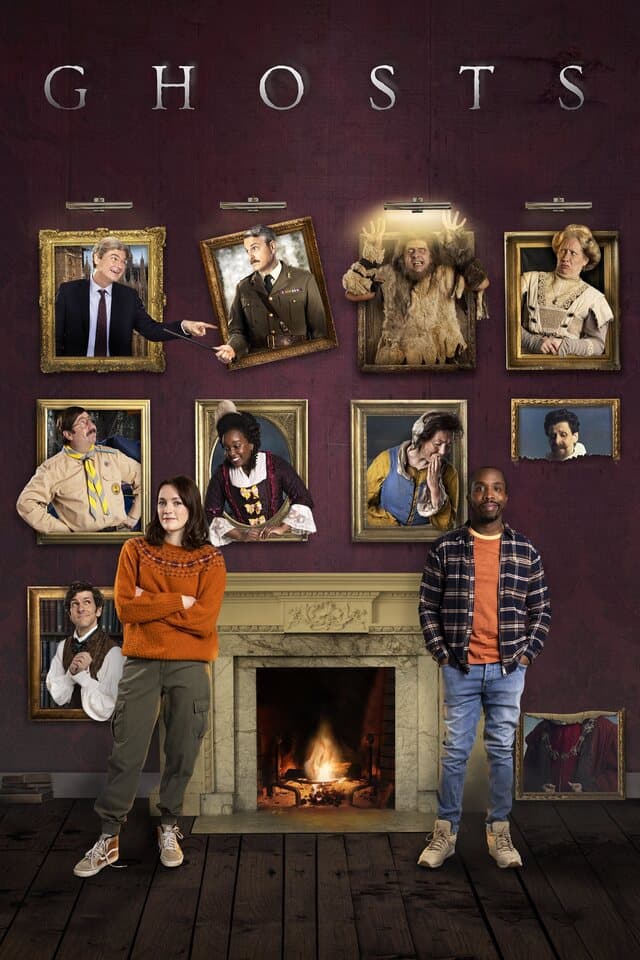
Ghosts S5
Residence
Companies running Origami


Visibility
See across all your storage, everywhere.
Your media is spread across facilities and mediums: S3 in the cloud, a SAN in one building, a NAS in another, drives on a shelf. Connect them all to Origami and every clip becomes visible and searchable, with its camera, production and colour metadata attached.

A035C014_250318_R1JF.mxf
S3 · production-ocf
B007C002_250318_R2KA.mxf
SAN · London
A036C001_250319_R1JF.mxf
S3 · production-ocf
Nothing is moved or re-organised to make this happen. Origami reads your storage in place and indexes what it finds.
One repository
Your storage, exactly as it is.
A SAN in London, a NAS over the road, loose drives in a cutting room, S3 in the cloud. There is no migration project before Origami starts working: it connects to what you have, where it is, on day one. Everything is then accessed through one place: the Origami platform.
Connect any mix of storage and Origami reads everything in place. One platform where you access all of it; nothing is moved, nothing is consolidated.
S3 providersAWSBackblazeWasabiMinIO
Keep a master and a backup in two places and Origami knows about both. If one site goes down, it automatically pulls from the other.
Metadata that travels
Read once. Carried the whole way.
On most shows the data captured on set gets re-typed by hand at every handoff. Origami reads it once off the media, binds it to every clip, and carries it from set through editorial, VFX and finishing. Nobody re-keys it, and DI stops chasing mismatches.
- Set
- Edit
- VFX
- Finish
Riding with the clip
What it means for metadata to travel.
The descriptive data is bound to the clip, not kept in a separate document someone has to keep in sync. Concretely, a clip carries:
Identity
Scene, slate and take, plus the camera roll and timecode.
Colour
The ASC CDL and the LUT applied in editorial, bound to the clip.
Lens
Per-frame Cooke /i focal length, focus distance and distortion.
Provenance
Which original camera file it came from, and which version is current.
Open standards
Portable because it is built on open formats.
No lock-in: the package speaks the formats the rest of your pipeline already does.
OpenTimelineIO
Accepted on submission and emitted in every package.
ASC CDL
The primary colour decision, auto-named after the plate.
ACES
ACES-aware, so colour stays in a consistent scene-referred space.
Cooke /i
Per-frame lens data as a per-clip dynamic CSV.
MovieLabs
An asset model aligned with the Ontology for Media Creation.
The everyday work
Conform, package, deliver. On every project.
Most shows never need a complex VFX pull. They still need media found, conformed, packaged and delivered every week. That is the work Origami runs day to day.
Conform from an EDL
Submit an EDL, XML or OpenTimelineIO file and conform from your original camera files, local to local. No round trip through the cloud.
Vendor-ready packages
Auto-named CDLs, the right LUTs, a manifest CSV and proxies, assembled to your package templates with global frame handles.
Delivery your way
Deliver to Aspera, Media Shuttle or straight into an S3 bucket. Keep the transfer tools your vendors already use.
delivered
And when a show does need the specialist work, automated VFX and conform pulls with metadata that travels run on exactly the same platform. One product across everything.
Governance
Direction
Becoming the system of record for production media.
Everything above is working today. The same foundation is being extended so that what Origami can see, it can also manage end to end.
Working today
Next on the same foundation
If that is the platform your slate needs, we would rather build it with you than guess. Talk to us.
See it run on one of your turnovers.
Bring a real EDL. We’ll show you the pull, the metadata and the colour, end to end. Working today.